2026-11-03 · Mike Santos
Typical Costs for Water Damage Restoration in Phoenix
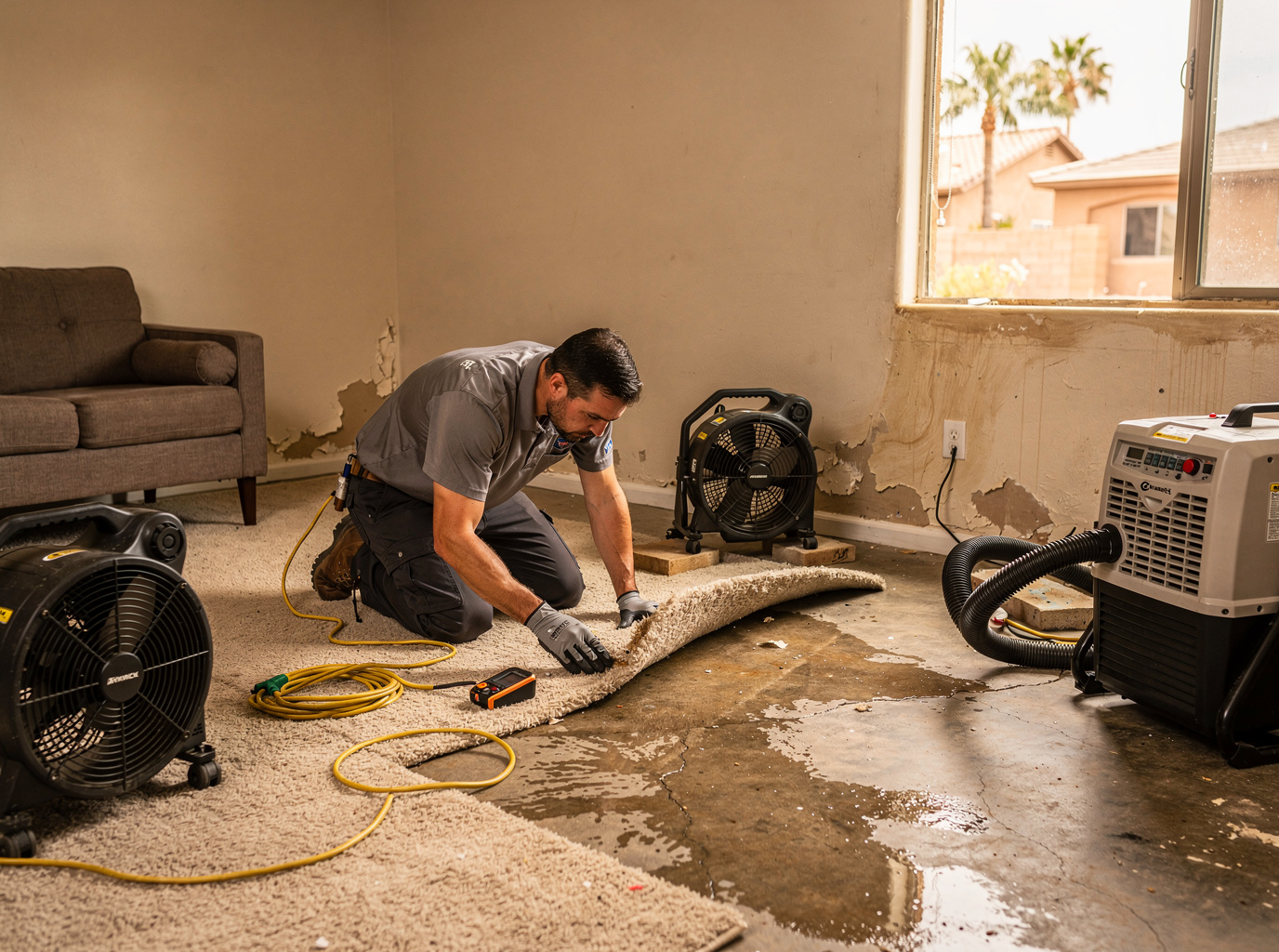
Water damage restoration in Phoenix typically costs between $1,200 and $5,800 for most residential jobs, with minor leaks starting near $800 and extensive flooding in larger homes reaching $8,000 or more. These figures reflect the realities of Maricopa County’s housing stock, where many properties in Arcadia and Biltmore date to the 1960s through 1990s and feature slab foundations that complicate extraction when water migrates under tile or carpet. The hot desert climate accelerates mold growth once temperatures climb above 100 degrees, so prompt drying becomes essential to keep totals from rising.
Average Cost Ranges for Common Scenarios
Minor Category 1 water events from supply line leaks in single-story homes in Maryvale or South Mountain usually fall between $1,200 and $2,400. This covers extraction, drying equipment for 48 to 72 hours, and basic antimicrobial treatment. Category 2 gray water from AC condensation leaks or appliance failures in two-story properties around Camelback East often runs $2,800 to $4,200 because technicians must remove baseboards, pull carpet pads, and monitor moisture meters across multiple rooms. Category 3 black water intrusion from monsoon-related flooding near Papago Park or the Phoenix Zoo pushes totals to $4,500–$7,500 due to full demolition of affected drywall, disposal of contaminated materials, and repeated air scrubbing. Water damage restoration crews track square footage and saturation depth on every job to refine these estimates before work begins.
How Phoenix's Hot Desert Climate Influences Restoration Expenses
Extreme summer heat above 110 degrees forces restoration teams to run dehumidifiers and air movers longer in Phoenix homes because residual moisture evaporates slowly once indoor humidity spikes. Properties near Desert Botanical Garden or Chase Field often see faster mold colonization on drywall and insulation when monsoon storms deliver sudden downpours after months of dry conditions. Technicians adjust equipment placement and drying times accordingly, which adds 10 to 20 percent to labor and power costs compared with milder climates. In neighborhoods like Ahwatukee, where stucco exteriors and flat roofs are common, hidden leaks behind walls require infrared cameras and moisture mapping that increase initial assessment fees but prevent larger follow-up repairs later.
Cost Variations by Neighborhood in Maricopa County
Older ranch homes in Arcadia and Biltmore frequently require slab-edge drying and subfloor repairs that add $600 to $1,200 beyond standard drying packages. Newer builds in South Mountain or Maryvale tend to involve vinyl plank flooring and open floor plans, which allow faster equipment setup and lower overall labor. Jobs in nearby Scottsdale or Tempe sometimes include travel surcharges when crews cross municipal lines, while Mesa properties benefit from flatter terrain that simplifies heavy equipment transport. Homeowners in these areas should request written moisture logs and drying timelines before authorizing work so they understand exactly how local soil conditions and construction types affect the final invoice.
Additional Factors That Impact Pricing
Square footage, water category, and time elapsed since the incident remain the largest variables. A 2,000-square-foot home with standing water in multiple rooms will exceed costs for a 1,200-square-foot single-room event by 40 to 60 percent. Delays beyond 48 hours often double mold remediation expenses because spores spread quickly in Phoenix’s dry heat. Water damage repair teams also factor in contents handling and disposal fees when furniture or flooring must be removed. Homeowners can review the full process on the water damage restoration after Phoenix monsoon storms guide or the AC condensation leaks article for more targeted scenarios common to the region.